By Greg Wasz, Cincinnati, OH
Reacting Is Not the Same as Adapting
People use those two words like they mean the same thing. They don’t.
Reacting is what happens when a market shifts and you scramble to match it. You change your pitch, your pricing, your whole approach, because someone else moved first. Adapting is different. It means you already know what you will hold onto and what you will let go of, before the pressure shows up. One is a panic response. The other is a decision you made ahead of time.
In sales, the pressure to react never stops. Buyers change how they research. Decision-makers change who they listen to. The tools everyone swears by this year get replaced next year. If you treat every one of those shifts as a reason to rebuild your whole approach, you end up with no approach at all. Just a string of reactions.
What I Keep the Same
There are a few things I don’t touch, no matter what else is changing around me.
How I listen in a first conversation is one of them. I’m not there to run a script. I’m there to find out what the person across from me actually needs, which is usually different from what they said in the first thirty seconds. That doesn’t change whether the economy is up or down, whether the deal is small or large, whether the buyer found me online or through someone else.
How I follow through is another. A reply that takes two days instead of two hours tells a client something about how the rest of the relationship will go. That part of the job doesn’t get a refresh just because a new communication channel is trending.
Those two things are the core. Everything else is negotiable.
What I Let Change
The format of a pitch, the channel I use to stay in touch, the way I structure a proposal: all of that is fair game. If a client prefers a quick message over a call, I adjust. If the way people want to receive information shifts, I shift with it.
The mistake I see a lot of people make is drawing this line in the wrong place. They protect the format and change the substance. They keep sending the same generic deck but switch up their values every time a new trend comes through. That’s backwards. The format should be the flexible part. The way you treat people shouldn’t be.
A Small Test Before I Change Anything
Before I adopt something new, whether it’s a way of running a meeting or a new tool for staying organized, I ask one question: does this change how I treat the person, or just how I reach them?
If it only changes how I reach them, I’ll usually try it. If it would change how I treat them, I slow down. That one question has saved me from chasing a lot of things that looked urgent and turned out to be noise.
What Editing Video Taught Me About This
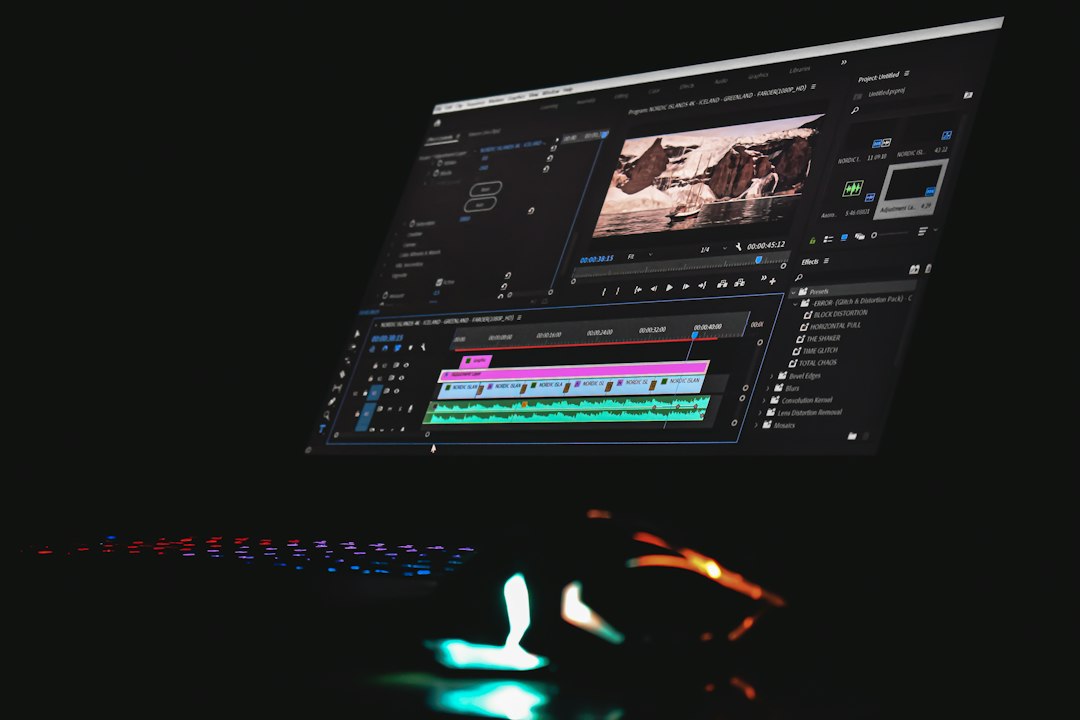
Outside of work, I spend a lot of time behind a camera and then a lot more time editing what I shot, mostly footage of family trips. Editing forces a version of this same discipline. You can have hours of footage from a trip to somewhere like Italy or Disney, and the instinct is to keep adding, keep adjusting, keep reacting to every clip that looks good in the moment. The result is usually a mess nobody wants to sit through.
What actually makes a video worth watching is deciding early what the story is, then cutting everything that doesn’t serve it, even footage you like. The tools change. The software updates. The rough cut I made for a trip years ago probably used methods I don’t use now. But the discipline of knowing what to protect and what to cut has stayed the same the whole time.
The Part People Skip
Most advice about adaptability stops at “stay flexible” and calls it a day. That’s incomplete. Flexibility without a fixed core just means you’ll bend toward whatever is loudest at the moment.
The professionals I respect most aren’t the ones who change the fastest. They’re the ones who can tell you, without hesitating, exactly what they will never change, and then adjust everything else without a second thought.